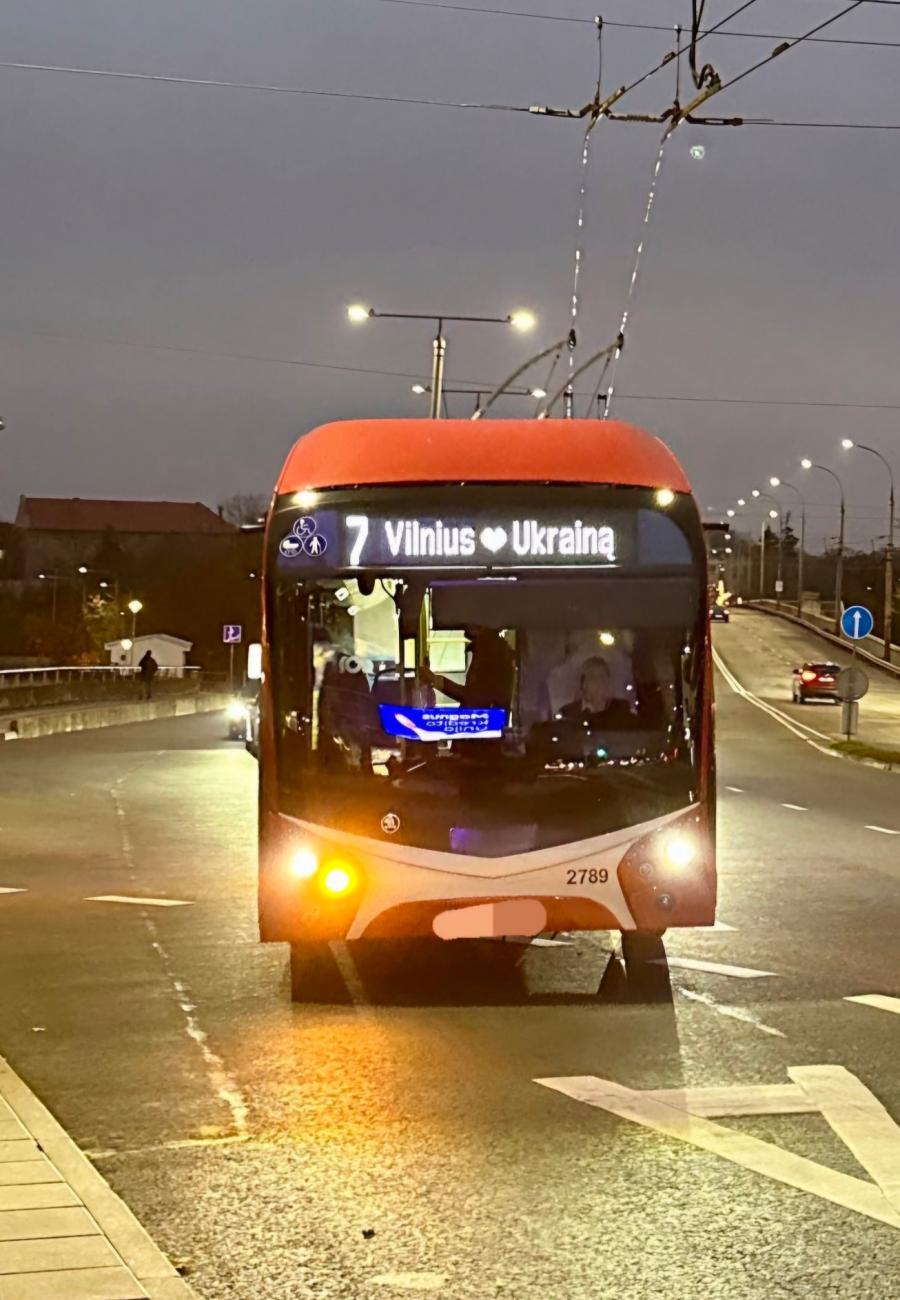
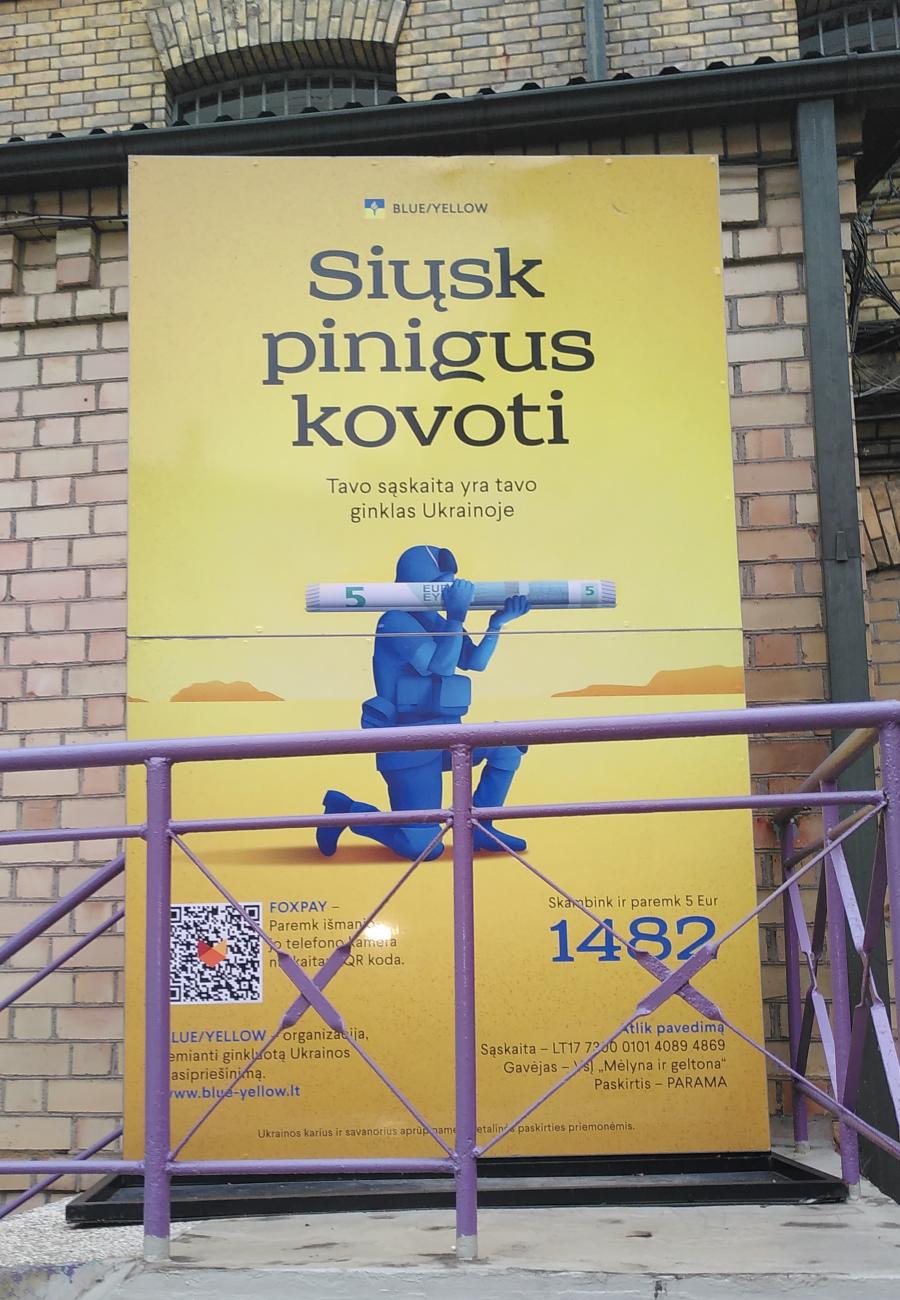
Last but not least, Europe must be careful to avoid double standards. The limp response of many European governments – including neo-idealists – to Israel's genocidal violence in Gaza has undermined their credibility in the South. Do the lives of Ukrainians matter more than those of Palestinians? This selective approach to international and humanitarian law makes it easier for Southern governments to look the other way from Russian imperialism and cosy up to Putin. European double standards, therefore, harm the country that lies at the heart of the neo-idealist project: Ukraine.
In a world facing not only geopolitical but also ecological crises, we cannot always avoid cooperating with autocracies. China, for example, is an indispensable partner in the fight against climate breakdown – especially now Trump has once again stepped out of the Paris Agreement. Paradoxically, in matters of ecology, working with systemic rivals may well help protect democracy. Climate analysts Byford Tsang and Juan Pablo Osornio point out that “runaway climate change is more likely than a stable climate to create the political conditions for authoritarians to thrive.”[27]
Neo-idealism can still offer guidance for our approach to autocracies in the Global South. It challenges us to look beyond governments. Even in countries ruled by dictators, there are many who yearn for democracy. How can we amplify their voices? And if it comes to a democratic breakthrough, how can we help democratic institutions take root?
Democracy promotion must be seen as part of security policy, especially since democracy offers the best chance for peace[28] and a sustainable future.[29] This insight should permeate the trade, development, and asylum policies of the EU and its member states. If we need to import green hydrogen or hydrogen-intensive intermediate goods from solar- and wind-rich countries to decarbonise European industry, should we choose to go into business with autocratic Saudi Arabia or democratic Namibia? Should we pay autocrats to block asylum seekers from reaching Europe when almost all refugee crises are caused by authoritarian regimes, or would we rather use those funds to support fragile democracies, human rights activists, and independent media?
Neo-idealism meets Green thinking
The above suggests that Greens and neo-idealists can learn from each other. Neo-idealism calls on Greens to toughen up. Green geopolitics has always championed a broad conception of security, including human and ecological security, which is more relevant than ever in today’s polycrisis. But a truly comprehensive security approach must be serious about state security too. Protecting the sovereignty of states, or the EU, requires military muscle. Greens should stress interlinkages between the different facets of security and be frank about trade-offs. Europe’s rearmament push, for example, has a considerable ecological footprint. This tension – a conflict of values – must be mitigated. Greens should endeavour to make the European defence sector the greenest in the world.
Neo-idealism, on the other hand, could benefit from Greens’ awareness of planetary boundaries and global injustices. However crucial the divide between democracies and autocracies may be, the need to prevent ecological collapse compels us to look beyond it. Additionally, in order to find democratic partners in the Global South, Europe should make a clean break with its colonial past and must refrain from lecturing. It should clearly set itself apart from Trump’s gunpoint extortion and demonstrate that, when compared to China, it is both more responsible and more reliable. Proving to the Global South that Europe is not just another aspiring superpower seeking to extend or reclaim its sphere of influence will take time and effort. Equal partnerships, involving a wide range of actors including civil society, offer the best chance of finding common ground among diverse world views.
Domestic politics may also provide fertile conditions for cross-pollination between neo-idealism and Green thinking. A crucial element of neo-idealism, according to Tallis, is the “right to a hopeful future”.[30] He insists that democracies must prove both their material and their moral superiority to win the systemic competition with autocracies. But is the promise of material progress still tenable in an era of ecological disruption? A growing number of climate and environmental scientists warn us that continued economic growth in rich countries cannot be reconciled with a liveable Earth.[31] If ecology retaliates so strongly that GDP growth grinds to a halt, democracy will be tested even more severely. Could a “hopeful future” also mean growing our wellbeing rather than our economy? And could this have geopolitical relevance?
Once basic material needs are met, our wellbeing depends more on the quality of relations with other people and living beings than on the consumption of goods and services. Wellbeing policies aim to reinforce the social tissue. Strengthening communities and fostering inclusiveness is not only an antidote to consumerism but also a booster for resilience. As such, it is equally relevant for geopolitics as it is for ecology. Crises can arise from ecosystem breakdown as well as from sabotage or outright war. In all cases, individual prepping will only get us so far. Ultimately, our survival depends on the solidarity of others.[32] As demonstrated by Ukraine, strong communities help sustain countries through prolonged war. As such, they may even form an aspect of deterrence.
The power of values such as democracy, rightly highlighted by neo-idealists, is heavily reliant on the communities in which they are practised and nurtured. Citizens bonded together are able to mobilise when politicians stray too far. This is exactly what happened when Ukraine’s government and parliament stripped the country’s anti-corruption bodies of their independence in mid-2025, raising fears that the diversion of public funds from the war effort for private gain would go unpunished. To defend the rule of law, civil society organisations staged demonstrations in Kyiv and other cities. These protests, together with pressure from Ukraine’s allies, forced Zelenskyy and his party to make a U-turn and restore the graft-fighters' independence. It is not a great leap to imagine the Ukrainians who took to the streets in the midst of war to stand up for their values – and those who would have done so had they not been defending these same values on the front line – as the quintessential neo-idealists.